

In business vehicle design, guaranteeing ideal driver solace and ergonomics is a central concern. The capacity to simulate and dissect the multifaceted collaborations between the human body and the vehicle environment has revolutionized how producers approach van driver seat design. By utilizing progressed simulation devices and strategies, specialists can now make ergonomically upgraded seat plans custom-made to the unique requests of the van driving experience, eventually improving driver prosperity, wellbeing, and efficiency.

Simulating Ergonomics:
At the forefront of ergonomic seat design lies the use of powerful simulation techniques that allow for a comprehensive understanding of the intricate relationships between the driver, the vehicle, and the driving environment. One of the most widely employed methods is digital human modeling (DHM), which enables the creation of highly accurate virtual representations of drivers with diverse anthropometric characteristics, encompassing variations in body measurements such as height, weight, and proportions.
These digital human models are then integrated into sophisticated postural analysis software, where simulated driving scenarios can be meticulously evaluated. By analyzing the virtual driver's posture, muscle activity, and potential stress points, engineers can identify areas of discomfort or strain, providing invaluable insights for optimizing seat design. Additionally, finite element analysis (FEA) techniques are leveraged to simulate the distribution of pressure across the seat surface, revealing potential hotspots and guiding the design of cushioning systems that promote even weight distribution and minimize localized pressure points.
Design Considerations:
The insights gleaned from these ergonomic simulations are then translated into tangible design features that embody the principles of optimal comfort, support, and safety. By analyzing the digital human models, engineers can determine the ideal range of seat adjustments, such as height, lumbar support, and tilt angles, to accommodate a diverse range of driver anthropometries. This data-driven approach guarantees that the seat can be custom-fitted to individual inclinations, advancing legitimate spinal arrangement and lessening the gamble of outer muscle issues.
Furthermore, the pressure distribution analysis obtained through FEA simulations informs the design of seat cushions, ensuring even weight distribution and minimizing the formation of pressure hotspots. Material selection also plays a crucial role, with engineers carefully considering factors such as breathability, durability, and thermal properties to create a comfortable and supportive seating environment.
The Simulation Process:
The process of simulating ergonomic principles for van driver seat design typically involves several stages. Initially, engineers define the target driver population and gather comprehensive anthropometric data to create accurate digital human models. These virtual representations are then integrated into simulated driving scenarios, replicating the unique postures, movements, and environmental conditions experienced by van drivers.
Through rigorous analysis of the simulated data, engineers can assess factors such as posture, pressure distribution, and muscle activity, identifying potential areas of concern or discomfort. This information is then used to refine the seat design iteratively, with modifications made to address the identified issues and optimize the overall ergonomic performance.
Benefits of Simulation:
The adoption of simulation technologies in van driver seat design offers numerous advantages over traditional physical prototyping methods. Firstly, it significantly improves efficiency and cost-effectiveness by reducing the need for expensive and time-consuming physical mockups. Engineers can explore a wider range of design variations and make informed decisions based on comprehensive data analysis, rather than relying solely on subjective assessments.
Moreover, the data-driven nature of simulation enables a more precise and user-centered approach to design. By accounting for the diverse anthropometries and preferences of the target driver population, manufacturers can create seats that are tailored to individual needs, promoting a superior driving experience for a broader range of users.
Choose YSR Driver Seat
In commercial vehicle design, the application of ergonomic principles and simulation tools has become indispensable for creating comfortable and safe van driver seats. By leveraging advanced techniques such as digital human modeling, postural analysis, and finite element analysis, engineers can gain a comprehensive understanding of the intricate interactions between the driver, the vehicle, and the driving environment.
This data-driven approach not only enhances the efficiency and cost-effectiveness of the design process but also enables the creation of seats that are tailored to the unique needs and preferences of van drivers. As simulation technology continues to advance, we can expect even more refined and user-centric designs, further optimizing driver well-being and contributing to improved road safety.
Ultimately, the integration of ergonomic principles and simulation tools in driver seat design represents a significant stride towards creating a safer, more comfortable, and more productive driving experience for commercial vehicle operators, underscoring the industry's commitment to prioritizing driver health and satisfaction.
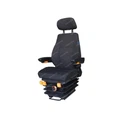
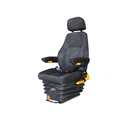
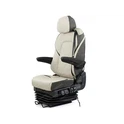
Van driver seat YSR3000M is designed to simulate the ergonomic principle, Please contact us at sales@ysrseats.com to learn more.
References:
1. Park, J., & Jung, E. S. (2018). Effects of adjustable seat pan depth on driver's postural behaviors and discomfort. Applied Ergonomics, 71, 32-41.
2. Hiemstra-van Mastrigt, S., Grooten, W. J. A., Vink, P., & van Veen, S. A. T. (2017). The influence of vehicle seats on obese drivers' preferred driver packaging layout, balance, and reach study: Drivers with a body mass index of 30kg/m2. Applied Ergonomics, 59, 653-661.
3. Chaffin, D. B., Andersson, G. B., & Martin, B. J. (2006). Occupational biomechanics. John Wiley & Sons.