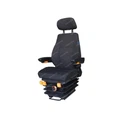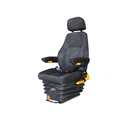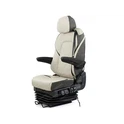


As experienced forklift operators understand, spending extended hours in industrial equipment can lead to significant physical discomfort. Selecting the proper Fork Truck Seat becomes crucial for both operational comfort and workplace safety. This comprehensive guide addresses driver fatigue prevention, identifies common seating issues, and outlines essential selection criteria to help you choose the perfect seating solution for your operational needs.

Essential Selection Criteria for Fork Truck Seats
- Optimal Comfort Features
Comfort represents the primary consideration when selecting a Fork Truck Seat. A properly designed seat significantly reduces back pain, leg numbness, and other discomforts associated with prolonged forklift operation. Prioritize seats featuring thick foam cushioning, adjustable lumbar support, and customizable features including height adjustment, tilt mechanisms, and adaptable armrests.
- Durability and Construction
Industrial environments demand durable seating solutions capable of withstanding daily operational challenges. Seek Fork Truck Seat options constructed with high-quality materials such as reinforced vinyl or leather upholstery and robust metal frames. The selected seat should demonstrate resistance to sunlight exposure and extreme temperature variations common in warehouse and industrial settings.
- Safety Compliance
Safety remains paramount in forklift operations. Ensure your chosen Fork Truck Seat incorporates integrated seat belt systems to secure operators during equipment operation. Select seating solutions that meet or exceed industry safety standards, particularly those established by OSHA and other regulatory bodies.
- Ergonomic Design Principles
Proper ergonomic design significantly impacts operator health and productivity. The ideal Fork Truck Seat should support natural spinal alignment, reducing stress on neck, shoulders, and back muscles. Look for seats featuring adjustable lumbar support, height customization, and tilt adjustment capabilities to maintain proper posture throughout extended work shifts.
Advanced Suspension Technology
Modern Fork Truck Seat solutions increasingly incorporate mechanical suspension systems that significantly enhance operator comfort. These advanced suspension mechanisms absorb vibrations and shocks from uneven surfaces, reducing physical fatigue and improving overall operational comfort. The integration of mechanical suspension technology represents a substantial advancement in industrial seating ergonomics.
Identifying and Resolving Common Seating Issues
- Posture Problems
Poor posture represents one of the most frequent seating issues, leading to back pain, neck strain, and other musculoskeletal concerns. Operators should maintain straight seating positions with relaxed shoulders, flat-footed positioning, and proper back support to alleviate these issues.
- Incorrect Height Adjustment
Improper seat height creates discomfort and physical strain. Excessively high positioning causes dangling feet and knee pressure, while overly low placement results in elevated knees and lower back stress. Optimal height positions feet flat with knees forming 90-degree angles.
- Lumbar Support Deficiencies
Inadequate lower back support frequently causes pain and discomfort. Seats featuring adjustable lumbar support or supplemental cushions help maintain natural spinal curvature and alleviate pressure points.
- Seat Cushion Concerns
Overly firm or soft seat cushions create discomfort and pressure concentration. Select cushioning that provides balanced support while ensuring even weight distribution across seating surfaces.
- Armrest Configuration
Insufficient armrest support contributes to shoulder and neck tension. Adjustable armrests that position arms comfortably parallel to the ground effectively resolve these issues.
- Legroom Limitations
Insufficient legroom forces operators into constrained positions, causing discomfort and circulation problems. Where possible, adjust seat positioning or select models offering enhanced legroom.
- Stability Issues
Unstable or wobbly seating creates distraction and discomfort. Address instability immediately through proper maintenance or replacement with secure, reliable seating solutions.
- Adjustment Limitations
Seats lacking customizable features make finding comfortable positions challenging. Invest in ergonomic Fork Truck Seat options with multiple adjustment capabilities to significantly improve seating comfort.

Advanced Fatigue Prevention Strategies
- Adequate Rest Periods
Sufficient pre-shift sleep remains the most effective fatigue prevention method. Operators should target minimum seven-hour sleep periods and avoid equipment operation when sleep-deprived.
- Scheduled Breaks
Regular breaks at approximately two-hour intervals allow operators to stretch, hydrate, and rest eyes. These pauses effectively prevent fatigue and maintain alertness.
- Proper Hydration
Dehydration significantly contributes to fatigue. Maintain adequate water intake while avoiding caffeine and alcohol, which dehydrate and impair cognitive function.
- Strategic Scheduling
Avoid operating during peak fatigue periods, particularly overnight or early morning hours. Schedule operations during daylight hours when visibility and alertness typically improve.
- Ergonomic Equipment Maintenance
Vehicle comfort factors including temperature, lighting, and noise levels impact fatigue. Adjust these elements to create alertness-supporting environments.
- Nutritional Support
Healthy snacks provide sustained energy during operations. Select protein-rich and complex carbohydrate options like nuts, fruits, and whole-grain products.
- Technological Assistance
Various technological solutions help combat operator fatigue. Consider implementing lane guidance systems, adaptive controls, and fatigue detection software where appropriate.
Conclusion: Optimizing Your Fork Truck Seat Selection
Selecting the appropriate Fork Truck Seat directly impacts both operational comfort and safety. Consider comfort features, durability, safety compliance, and ergonomic design when evaluating seating options. Address discomfort promptly through proper identification and resolution of seating issues. Implement comprehensive fatigue prevention strategies including scheduled breaks, proper posture maintenance, and optimal seat adjustment to enhance operator wellbeing and productivity.
For detailed information about our advanced Fork Truck Seat solutions with integrated mechanical suspension systems, contact our specialists: sales@ysrseats.com
Industry References
• OSHA Standards for Powered Industrial Trucks (29 CFR 1910.178)
• Industrial Equipment Seating Ergonomics Guidelines
• Forklift Operator Safety and Comfort Standards