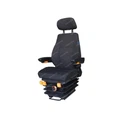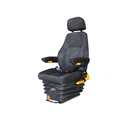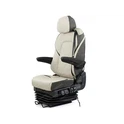


In demanding warehouse and industrial environments, the durability of equipment components directly impacts operational efficiency and worker safety. For seated forklift operators who spend hours navigating rough terrain and absorbing constant vibrations, a reliable Forklift Suspension Seat isn't just a comfort feature-it's a critical investment in productivity and health. Understanding how long adjustable forklift seats last helps businesses make informed purchasing decisions and budget appropriately for replacement cycles.
The lifespan of an adjustable forklift seat depends on multiple interconnected factors, from material quality and construction standards to usage patterns and maintenance practices. While some seats may deteriorate within just a few years, premium models with proper care can deliver reliable performance for significantly longer periods, making the initial investment worthwhile.
Factors Affecting Seat Lifespan
Quality of Materials and Construction
The foundation of seat longevity begins with manufacturing standards. High-quality seats feature heavy-duty vinyl upholstery resistant to tears and abrasions, reinforced steel frames that withstand continuous stress, and industrial-grade foam that maintains its shape under constant compression. Seats certified to ISO9001 standards typically demonstrate superior construction quality and material selection, directly translating to extended service life.

Frequency of Use and Working Conditions
Operating environment significantly impacts wear rates. A universal forklift seat used in a single-shift operation experiences less stress than one operating around the clock in a 24-hour facility. Similarly, outdoor applications with temperature extremes, moisture exposure, and UV radiation accelerate material degradation compared to climate-controlled indoor environments. Rough surfaces, frequent loading/unloading cycles, and exposure to chemicals or oils also reduce lifespan expectations.
Maintenance Practices and Care
Regular maintenance dramatically extends seat longevity. Simple practices like weekly cleaning to remove debris, periodic inspection of mechanical components, lubrication of adjustment mechanisms, and prompt repair of minor damage prevent small issues from escalating into complete failures. Operators who treat seats carefully-avoiding aggressive adjustments and preventing impact damage-contribute significantly to extended service life.
Weight Capacity and Proper Adjustment Usage
Exceeding manufacturer-specified weight limits accelerates wear on suspension systems, frame structures, and cushioning materials. Similarly, operators who repeatedly force adjustment mechanisms beyond their intended range or fail to secure locking mechanisms properly create unnecessary stress on components, reducing overall durability.
Average Lifespan Expectations
Typical Lifespan Range for Quality Adjustable Seats
Industry experience suggests that well-manufactured Adjustable Forklift Seat products typically deliver 3-5 years of reliable service under normal operating conditions. Premium models with superior construction and materials can extend this range to 5-7 years or more. However, budget-oriented seats may require replacement within 2-3 years, particularly in demanding applications.
Multi-shift operations naturally compress these timelines, with heavy-use environments potentially requiring replacement every 2-4 years even for quality products. Conversely, light-duty applications or carefully maintained seats in optimal conditions may exceed expected lifespans by 50% or more.
Signs That Indicate Need for Replacement
Several warning signs indicate when a seated forklift component requires replacement. Visible damage such as torn upholstery, exposed foam, or cracked plastic components suggests structural compromise. Functional issues like suspension systems that no longer absorb shocks effectively, adjustment mechanisms that slip or fail to lock, or noticeable sagging and loss of cushion support all signal diminished performance.

Operators reporting increased fatigue, back pain, or discomfort despite proper adjustment often indicate the seat no longer provides adequate support. Unusual noises during operation-squeaking, grinding, or rattling-suggest mechanical component wear requiring attention. When multiple symptoms appear simultaneously, replacement typically proves more cost-effective than extensive repairs.
How Proper Maintenance Extends Service Life
Implementing a structured maintenance program can extend seat lifespan by 30-50%. Monthly visual inspections identify emerging issues before they escalate. Quarterly deep cleaning removes accumulated dirt and contaminants that accelerate material breakdown. Semi-annual mechanical inspections ensure adjustment mechanisms, suspension components, and mounting hardware remain secure and functional.
Documentation of maintenance activities creates valuable data for predicting replacement cycles and identifying recurring issues. Training operators on proper seat usage and adjustment techniques reduces unnecessary wear and damage.
Spotlight: YSR211-5 Forklift Suspension Seat
The YSR211-5 exemplifies the quality characteristics that maximize forklift seat longevity. Its mechanical suspension system effectively isolates operators from harmful vibrations while maintaining durability through heavy-duty construction. The seat's design addresses the key factors that determine lifespan.
Built with industrial-grade materials and backed by ISO9001 certification, the YSR211-5 demonstrates manufacturing excellence. Heavy-duty vinyl upholstery resists daily wear, while the reinforced frame structure supports extended operational demands. The mechanical suspension system uses proven technology that delivers consistent performance throughout the seat's service life.
Multiple adjustment features-including fore-aft positioning, weight adjustment, backrest angle, and height control-ensure operators can achieve optimal positioning without forcing mechanisms beyond their design limits. This proper adjustment capability reduces stress on components while maximizing operator comfort.
The included 12-month warranty reflects manufacturer confidence in durability and provides reassurance for your universal forklift seat investment. This warranty coverage protects against manufacturing defects while establishing a baseline for expected performance standards.
|
|
|
|


Conclusion & Next Steps
Understanding that quality adjustable forklift seats typically deliver 3-7 years of service helps businesses plan replacement budgets and appreciate the value proposition of premium products. While initial costs may seem higher, superior seats reduce total cost of ownership through extended lifespans, lower maintenance requirements, and improved operator productivity and satisfaction.
Investing in quality seats represents smart financial planning. The difference between replacing budget seats every 2-3 years versus quality seats every 5-7 years creates significant savings over time, particularly when factoring in installation labor, operational downtime, and operator health impacts.
Request Your Adjustable Forklift Seat Quotation
Ready to invest in lasting comfort and durability for your fleet? Our team specializes in helping businesses select the optimal seating solutions for their specific applications and budget requirements. Whether you need a single replacement or fleet-wide upgrades, we provide expert guidance and competitive pricing.
Contact us today for immediate consultation:
Phone: +86-029-81136503
Email: sales@ysrseats.com
WhatsApp: +86-13991337062
WeChat: 18992819914
Get Your Custom Quote Today – Invest in Lasting Comfort!
Don't let worn-out seats compromise operator safety and productivity. Contact us now to discuss your requirements and receive a detailed quotation tailored to your specific needs.