

Bus drivers face some of the most demanding working conditions in the transportation industry. They spend eight to twelve hours daily navigating urban streets, highways, and unpaved routes, enduring constant vibrations from uneven road surfaces, potholes, and speed bumps. This continuous exposure to shocks and jolts takes a serious toll on their physical health, leading to back pain, fatigue, and reduced concentration-all of which can compromise safety. The Mechanical Suspension Bus Driver Seat represents an essential ergonomic solution specifically engineered to address these challenges. By actively isolating drivers from road-induced vibrations and impacts, this specialized seating technology enhances comfort, preserves alertness, and ultimately contributes to safer public transportation operations. This article explores how the mechanical suspension system works, breaking down its components and explaining why it has become indispensable for modern bus fleets.
Core Working Principle: The Mechanics of Shock Absorption
The fundamental goal of bus driver seat suspension technology is straightforward: to create a barrier between the driver's body and the harsh vibrations transmitted through the vehicle chassis. Unlike standard fixed seats that transfer every road shock directly to the occupant, a mechanical suspension system actively absorbs and dissipates this energy before it reaches the driver.

The system relies on three primary components working in harmony. Springs form the foundation, compressing under impact to absorb kinetic energy and convert it into potential energy. Shock absorbers (also called dampers) control the spring's rebound motion, preventing excessive bouncing and ensuring smooth, controlled movement. Connecting rods and linkages attach the seat assembly to the vehicle floor, allowing controlled vertical travel while maintaining lateral stability.
The operational cycle follows a predictable pattern: when the bus hits a bump, the impact force travels upward through the chassis. The suspension springs compress, absorbing this energy. Simultaneously, the dampers regulate the rate of compression and subsequent rebound, preventing the seat from oscillating wildly. As the springs decompress in a controlled manner, the seat returns smoothly to its neutral position, ready to absorb the next impact. This continuous process creates a stable, comfortable platform that significantly reduces the vibration intensity experienced by the driver.
Key Components and Their Functions
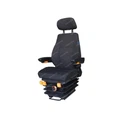
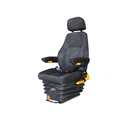
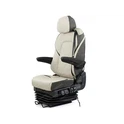
Modern bus driver seats incorporate several integrated systems that work together to deliver optimal performance. Using the YSR911 model as a reference example, we can examine how each component contributes to the overall function.
The suspension system itself-the spring-and-damper unit-represents the technological heart of the seat. High-quality mechanical suspensions use precision-engineered coil springs or leaf springs paired with hydraulic or pneumatic dampers. The spring rate (stiffness) is carefully calibrated to match typical bus operating conditions, while dampers are tuned to provide the right balance between comfort and control.
Adjustment mechanisms allow drivers of different body types to customize their seating position. Height adjustment enables proper pedal reach and visibility, while backrest angle controls support proper spinal alignment. Integrated lumbar support mechanisms address the lower back region, which is particularly vulnerable during long driving shifts. These adjustments ensure that the suspension system works effectively regardless of the driver's physical dimensions.
The structural frame and linkages must withstand years of continuous use and heavy loads. High-strength steel or aluminum alloy construction provides durability without excessive weight. The connecting rods and pivot points are engineered with tight tolerances to prevent lateral play while allowing smooth vertical movement. Proper attachment to the vehicle floor distributes forces evenly and prevents the seat from becoming a weak point in the bus structure.

Comfort and safety features round out the design. High-density foam cushioning works alongside the mechanical suspension to provide additional vibration dampening. Integrated three-point seat belts protect drivers during accidents. Adjustable armrests reduce shoulder and neck strain during long shifts. Together, these elements create a comprehensive ergonomic workstation rather than just a place to sit.
Product Spotlight: The YSR911 Series Mechanical Suspension Seat
The YSR911 series exemplifies modern bus driver seats engineering. Manufactured to ISO9001 quality standards, these seats demonstrate how mechanical suspension technology translates into real-world reliability. The series offers flexible mounting configurations (front, left, or right positioning) to accommodate different bus layouts and operator preferences.
Material options include durable composite knit fabric for standard applications and premium leather upholstery for executive coaches. Both options are designed to withstand the wear patterns typical of commercial bus operations while maintaining their appearance and comfort characteristics over time.
Importantly, the YSR911 platform supports OEM and ODM customization, allowing bus manufacturers and fleet operators to specify exact requirements. Whether adapting to unique vehicle dimensions, incorporating specific safety features, or matching brand aesthetics, this flexibility ensures that bus drivers seats for sale can meet diverse operational needs without compromising the core suspension performance.
Key Benefits: Why This System Matters for Drivers and Operators
The advantages of proper bus driver seat suspension extend far beyond basic comfort. Reduced driver fatigue stands as the most immediate benefit. By minimizing the physical stress of constant vibration, suspension seats help drivers maintain energy levels throughout their shifts. Studies have shown that drivers using quality suspension seating report significantly less back pain and general exhaustion compared to those using fixed seats.
Enhanced safety represents perhaps the most critical advantage. Fatigued, uncomfortable drivers cannot maintain optimal alertness and reaction times. By preserving physical well-being, suspension seats indirectly contribute to accident prevention. The integrated safety features-particularly three-point seat belts designed to work with the seat's movement range-provide direct protection during collisions.
From a health and ergonomics perspective, proper suspension combined with adjustability helps prevent the cumulative musculoskeletal disorders that plague professional drivers. Lower back problems, neck strain, and circulation issues can develop over years of exposure to vibration. Quality seating mitigates these risks, potentially extending drivers' careers and reducing workers' compensation claims.
|
|
|
|


For fleet operators, durability and cost-effectiveness justify the investment. While mechanical suspension seats cost more initially than basic fixed seats, their robust construction delivers years of reliable service. Reduced driver turnover, fewer health-related absences, and improved operational efficiency create tangible financial returns that far exceed the initial capital outlay.
Investing in Driver Well-Being
A Mechanical Suspension Bus Driver Seat functions as much more than a comfort accessory-it represents a critical safety system that protects drivers from the cumulative effects of vibration while simultaneously enhancing their operational performance. The mechanical principles of spring compression and damped rebound, combined with thoughtful ergonomic design, create a workstation that actively supports driver health and alertness throughout demanding shifts.
For bus operators and fleet managers evaluating their equipment standards, upgrading to quality suspension seating should be viewed as a strategic investment rather than an operational expense. The returns-in driver satisfaction, safety performance, and long-term health outcomes-demonstrate clear value that extends across the entire organization.
If you're considering upgrading your fleet's driver seating or need guidance on selecting the right specifications for your operations, YSR Seating Factory offers comprehensive support. Their YSR911 series provides proven performance, and their OEM/ODM capabilities ensure solutions tailored to your exact requirements. Contact their team to discuss your specific needs:
Email: sales@ysrseats.com
Phone/WhatsApp: +86-029-81136503 / +86-13991337062
WeChat: 18992819914
Investing in proper bus driver seats means investing in the people who keep public transportation moving safely and efficiently every day.