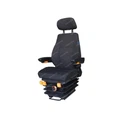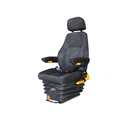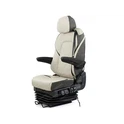


If you spend long hours operating a tractor, you know the toll it takes on your body. Constant vibration, jarring impacts from uneven terrain, and poor seating can lead to chronic back pain and fatigue that affect both your comfort and productivity. Upgrading to an air suspension seat for tractors transforms this experience entirely. Among the available options, the Universal Air Ride Tractor Seat stands out as a direct-fit solution that delivers immediate comfort improvements while being remarkably easy to install. This guide walks you through the complete installation process, ensuring you can enjoy a smoother, healthier ride in just a few hours.
Pre-Installation: Tools & Preparation
Before beginning, ensure you have all necessary tools and materials organized for a smooth installation process.
|
Category |
Tools & Materials |
|
Essential Tools |
Socket Set, Adjustable Wrenches, Screwdrivers (Flathead & Phillips) |
|
For Modification |
Drill with Bits, Center Punch, Cutting Oil |
|
Safety Equipment |
Safety Glasses, Work Gloves |
|
Supplied Components |
Mounting Bolts, Brackets, Air Tubing (if applicable) |
Safety is paramount. Always disconnect your tractor's battery before starting work. This simple step prevents electrical shorts and eliminates any risk of accidental ignition during installation.
Next, unbox your new air ride seat and familiarize yourself with its components. Lay out the mounting brackets, hardware, and any supplied adapters. Review the instruction manual thoroughly-understanding the seat's features and adjustment mechanisms beforehand saves time and prevents mistakes.
Step-by-Step Installation Guide
Step 1: Remove the Old Seat
Start by locating the mounting bolts securing your existing seat. These are typically found underneath the seat base, connecting it to the tractor floor or a mounting platform. Using the appropriate socket, remove these bolts carefully, keeping them organized in case you need them as reference points.
If your old seat has integrated seat belts or electrical connections (for heated seats or switches), disconnect these before fully removing the seat. Note the routing of any wires to help with reconnecting later.
Step 2: Prepare the Mounting Area
With the old seat removed, clean the mounting surface thoroughly. Remove any accumulated dirt, grease, or rust using a wire brush and cleaning solvent. A clean surface ensures secure mounting and prevents corrosion under the new seat.
Inspect the mounting holes. Most air suspension seats use standard mounting patterns, but if the holes don't align perfectly, use your old seat base as a template. Mark new hole positions with a center punch, then drill carefully, using cutting oil to preserve your drill bits and create clean holes.
Step 3: Mount the New Air Suspension Seat
Position your Universal Air Ride Tractor Seat onto the prepared mounting surface. Before tightening anything, verify that the seat is level and properly oriented-you should be able to reach all controls comfortably from the seated position.
Insert the provided high-grade mounting bolts through the base and into the tractor floor. Thread them hand-tight initially, then use your socket wrench to secure them firmly. Work in a cross-pattern (like tightening wheel lugs) to ensure even pressure distribution and prevent warping the mounting base.
Step 4: Connect the Air Supply (If Applicable)
Some advanced air ride seats feature integrated air systems that connect to your tractor's existing air supply. If your seat includes this feature, locate the air line connection point specified in your manual. Connect the supplied tubing securely, ensuring all fittings are hand-tight, then snugged with a wrench. Check for leaks by applying soapy water to connections-bubbles indicate escaping air that needs attention.
For seats with self-contained air systems, verify the air bladder is properly positioned and not pinched during mounting.
Step 5: Reconnect Safety Features
Reattach your seat belt, securing it to the integrated mounting points on your new seat or to the tractor's original anchor points. Pull firmly on the belt to verify it's properly fastened-seat belts are critical safety equipment that must be reliable.
Reconnect any electrical components you disconnected earlier, ensuring wires are routed safely away from moving parts and pinch points.
Post-Installation: Adjustment & Calibration
Reconnect your tractor battery and start the engine. Now comes the most important step: personalizing your air suspension seats to your body.
Begin with the weight adjustment. Most quality seats accommodate drivers weighing 40-130kg (88-286 lbs). Set the adjustment according to your weight-this calibrates the suspension response for optimal damping.
Adjust the seat height so your feet rest comfortably on the pedals with a slight bend in your knees. Position the backrest to support your lower back's natural curve. If your seat includes lumbar adjustment, fine-tune it until you feel even pressure across your back without any single pressure point.
Test the damping settings by driving over various terrain types. The suspension should absorb impacts smoothly without excessive bouncing. Adjust the damping firmer or softer according to your preference and typical working conditions.
Finally, perform a safety check. Rock the seat vigorously in all directions. There should be no excessive movement at the mounting points, and all adjustment levers should operate smoothly.
Why Choose Air Suspension Seats?
The benefits of upgrading to an air suspension seat for tractors extend far beyond basic comfort. Here's what makes these seats an exceptional investment:
|
Feature |
Benefit |
|
Weight-Adaptive Suspension |
Automatically calibrates to any driver (40-130kg) for optimal comfort. |
|
Full Ergonomic Adjustability |
Reduces strain with customizable height, lumbar, backrest, and damping. |
|
Universal Mounting |
Direct-fit design simplifies installation, minimizing modification needs. |
|
Robust Steel Frame |
Ensures long-term durability and reliability in harsh agricultural environments. |
|
Factory-Direct Pricing |
Premium features without the middleman markups, backed by a 1-year warranty. |
|
|
|
|


Troubleshooting Common Issues
If your seat feels unstable after installation, re-tighten all mounting bolts systematically. Check that the mounting surface makes even contact with the seat base across all points.
For suspension performance issues, verify air pressure falls within the recommended range (typically 0.3-0.7 MPa). Inspect all air connections for leaks or disconnections.
If adjustment mechanisms resist movement, ensure nothing obstructs their range of motion and that all levers move freely without binding.
Installation Summary
Preparation: Disconnect the battery, gather tools from the checklist, and inspect the new seat components.
Process: Remove the old seat, clean and prepare the mounting area, securely bolt down the new Universal Air Ride Tractor Seat, and reconnect air and electrical lines as applicable.
Calibration: Reconnect power, adjust the seat for your weight and posture using the weight adjustment (40-130kg range), customize height and lumbar settings, and perform a final safety check.
Result: A professionally installed air ride seat that dramatically reduces driver fatigue and back pain while improving overall productivity.
Conclusion
Installing an air suspension seat for tractors is one of the most valuable upgrades you can make to your equipment. The process is straightforward, requiring only basic tools and a few hours of work, yet the benefits-reduced fatigue, less back pain, and dramatically improved comfort-transform your daily work experience.
For compatibility questions or orders, contact YSR Seating directly:
Phone +86-029-81136503,
Email sales@ysrseats.com,
WhatsApp +86-13991337062,
WeChat 18992819914.