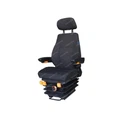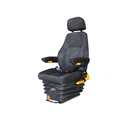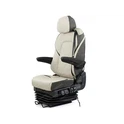


In the demanding world of material handling, operator comfort and safety are paramount to maintaining productivity and preventing workplace injuries. A properly adjusted Forklift Suspension Seat serves as the foundation for safe, efficient operations, directly impacting operator alertness, control precision, and long-term health. Whether you're managing a warehouse fleet or operating a forklift daily, understanding how to correctly adjust your seat is not just about comfort-it's a critical safety protocol that every operator must master before starting their shift.
The Importance of Proper Forklift Seat Adjustment
Incorrect seating position is a leading contributor to operator fatigue and musculoskeletal disorders in industrial environments. When operators spend hours in poorly adjusted seats, they experience increased pressure on their spine, reduced circulation, and compromised visibility-all factors that significantly elevate accident risk. A well-adjusted seated forklift configuration enables operators to maintain optimal posture, reach controls effortlessly, and respond quickly to changing conditions. Studies consistently show that proper ergonomic setup reduces operator fatigue by up to 40% and improves reaction times during critical maneuvering situations.
Step-by-Step Adjustment Guide
Weight Adjustment
The suspension system's effectiveness depends entirely on proper weight calibration. Locate the weight adjustment knob, typically positioned on the seat's right side. For heavier operators, rotate the knob clockwise to stiffen the suspension, preventing excessive seat bounce during operation. Lighter operators should turn it counterclockwise to soften the response, ensuring adequate cushioning. The correct setting allows approximately one inch of suspension travel when you sit down-not too stiff, not too soft.
Slide Rail Adjustment (Fore/Aft)
Position is everything when it comes to control access. Find the release lever beneath the seat's front edge. While seated, lift the lever and shift your weight to slide forward or backward along the rail. Your ideal position allows you to fully depress pedals without overextending your legs while maintaining a slight bend in your knees. Ensure your back remains against the backrest throughout this range of motion.

Backrest Adjustment
Lumbar support directly affects spinal health during long shifts. Locate the backrest angle control-usually a lever or knob on the seat's side. Adjust the angle to maintain your spine's natural S-curve, avoiding both excessive recline and overly upright positions. The backrest should provide continuous support during the frequent twisting motions required in forklift operation, particularly when checking blind spots.
Armrest Adjustment
Properly positioned armrests reduce shoulder and neck strain significantly. Identify the height and width adjustment mechanisms on your armrests. Set them so your elbows rest comfortably with shoulders relaxed, creating approximately a 90-degree angle at the elbow. Ensure armrests don't interfere with steering wheel access or control lever operation-they should support without restricting movement.
Features of a Well-Designed Universal Forklift Seat
Modern universal forklift seat designs like the YSR211-5 exemplify optimal adjustability for diverse operator needs. These seats incorporate mechanical suspension systems engineered to absorb vibrations across various terrain conditions, protecting operators from repetitive shock loads. The 360-degree adjustable armrests accommodate different body types and operating preferences, while intuitive weight adjustment mechanisms eliminate guesswork from suspension calibration. Smooth slide rail systems with secure locking positions ensure stability during operation while allowing quick adjustments between shifts when different operators use the same equipment.
Benefits of Proper Adjustment
- Enhanced Comfort: Correctly adjusted seats distribute body weight evenly, eliminating pressure points that cause numbness and discomfort. Operators remain alert and focused throughout entire shifts rather than constantly shifting to relieve discomfort.
- Improved Safety: Optimal positioning enhances visibility of both the load and surrounding environment. Better reach to controls means faster, more precise responses during critical moments, reducing collision risks and improving load handling accuracy.
- Increased Productivity: Comfortable operators work more efficiently. When physical discomfort isn't constantly demanding attention, operators can focus entirely on task execution, completing more cycles with consistent quality.
- Health Protection: Proper ergonomic support prevents chronic conditions like lower back pain, sciatica, and repetitive strain injuries that can sideline experienced operators and create long-term disability claims.
When to Consider Replacement
Even the best seats eventually require replacement. Warning signs include adjustment mechanisms that no longer hold position, suspension systems that bottom out despite correct weight settings, torn or permanently compressed upholstery, and persistent discomfort despite proper adjustment attempts. When these issues appear, continuing to operate compromises both comfort and safety. Investing in quality replacement seats maintains your fleet's operational standards and demonstrates commitment to operator welfare.
Getting Your Customized Solution
Selecting the right seating solution requires evaluating your specific operational environment, operator demographics, and equipment types. Consider factors like typical shift lengths, terrain roughness, temperature extremes, and whether multiple operators share equipment. Professional seating specialists can assess these variables and recommend optimal configurations. When you're ready to upgrade or replace seats, obtaining a detailed Adjustable Forklift Seat quotation enables accurate budget planning and ensures you select features that match your operational requirements. YSR Seating offers comprehensive customization capabilities and OEM/ODM services, tailoring solutions to unique fleet specifications.
 |
 |
 |
Optimize Your Forklift Operation
Mastering seat adjustment is a fundamental skill that protects operator health while enhancing operational efficiency. By following these adjustment protocols and investing in quality adjustable seating systems, you create a safer, more productive work environment. Regular seat maintenance and operator training on proper adjustment techniques should be standard practice in every material handling operation.
Ready to upgrade your fleet's seating? Our experts are available to discuss your specific needs and provide detailed quotations.
Phone: +86-029-81136503
Email: sales@ysrseats.com
WhatsApp: +86-13991337062
WeChat: 18992819914
Contact us today for a comprehensive Adjustable Forklift Seat quotation tailored to your fleet's unique requirements. Let us help you create a safer, more comfortable operating environment for your team.