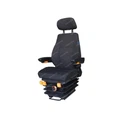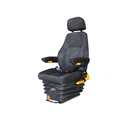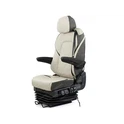


When it comes to outfitting a commercial vehicle, few decisions carry as much practical weight as choosing the right seat upholstery. For professional drivers spending ten or more hours behind the wheel each day, and for fleet operators responsible for maintaining dozens or even hundreds of vehicles, the choice between a Scania Leather Seat and a fabric alternative touches every aspect of the job-from how refreshed a driver feels at the end of a long route, to how quickly a seat can be cleaned during a tight turnaround, to how the cabin looks when transporting a high-value client. These are not trivial concerns. The wrong upholstery choice can lead to accelerated wear, increased maintenance costs, driver discomfort, and a diminished professional image. The right choice, by contrast, pays dividends for years.
YSR Seating, a leading source factory specializing in premium truck and bus seating solutions, offers both high-grade leather and composite knitted fabric options across its product range. All seats are backed by ISO9001 and CCC certifications, ensuring that quality standards are met at every stage of production. Whether you are looking to Buy Luxury Air Suspension Seat solutions for an executive coach fleet or seeking cost-effective fabric alternatives for utility vehicles operating in demanding outdoor conditions, understanding the fundamental differences between these two materials is essential before committing to a purchase.
Material Composition, Comfort & Breathability
The material covering a seat does more than define how it looks-it determines how it performs across thousands of hours of use. Leather upholstery, as featured in YSR Seating's premium product line, is crafted from high-quality hide with a refined surface finish. Strategically placed air holes are integrated into the leather panels to promote active airflow, preventing the heat buildup that commonly causes discomfort during extended drives. Over time, quality leather softens and gradually conforms to the contours of the driver's body, offering an increasingly personalized seating experience that fabric simply cannot replicate in the same way. For those seeking Luxury Air Suspension Seats for sale, leather is the natural pairing-it elevates the entire cabin environment, projects professionalism, and signals a commitment to driver welfare that passengers and clients immediately notice.

The tactile quality of leather also plays an important psychological role. In a profession where long hours and monotonous stretches of road can erode focus and morale, a well-appointed cabin with a premium leather seat contributes meaningfully to driver satisfaction and retention-a factor that fleet managers increasingly recognize as a real operational concern.
Composite knitted fabric, on the other hand, brings its own set of genuine advantages. Its woven, open-weave structure allows air to pass through the seat surface more freely than even perforated leather, making it a particularly strong performer in hot and humid climates or on routes where reliable air conditioning cannot be guaranteed. Drivers in tropical regions or those operating older vehicle fleets often find fabric significantly more comfortable during summer months, as it reduces the sweaty contact surface that leather can create when ambient temperatures are high. Fabric also comes in a wider variety of textures, patterns, and colors, giving operators more flexibility when customizing cabin aesthetics to match a corporate livery or fleet identity.
Critically, both leather and fabric options from YSR Seating share the same advanced ergonomic engineering beneath the surface. Triple pneumatic lumbar support allows drivers to fine-tune the curvature of the lower back support to their individual anatomy. Damping adjustment systems absorb road vibration and impact, reducing the physical fatigue that accumulates over long shifts. Seat height, armrest position, and recline angles are all adjustable within wide ranges. This means that the fundamental comfort architecture is identical across both upholstery types-the choice of leather or fabric is a surface-level decision built on an equally solid ergonomic foundation.
Cleaning, Maintenance & Durability
In commercial vehicle operations, maintenance efficiency is money. Every minute spent deep-cleaning a seat is a minute not spent on the road, and every premature seat replacement represents a cost that could have been avoided. This is where the practical differences between leather and fabric become most pronounced.
Leather holds a decisive advantage in day-to-day cleaning. Its smooth, non-porous surface means that spills, food residue, mud, and other common contaminants sit on top of the material rather than soaking into it. A damp cloth or a quick wipe with a mild cleaning solution is typically all that is needed to restore the surface to a clean condition. For fleet operators managing high-frequency turnarounds-where a vehicle may need to be cleaned and returned to service within a short window-this speed of maintenance is genuinely valuable. Operators sourcing products from China Scania Leather Seat suppliers like YSR Seating specifically cite easy cleaning as one of the primary reasons they invest in leather upholstery for their commercial fleets. The only routine care leather requires beyond basic wiping is periodic conditioning with a leather-specific product, applied every few months, to maintain suppleness and prevent surface cracking. This is a minor investment of time that pays for itself many times over in extended seat life.

Fabric seats, by contrast, are more demanding to keep clean. The woven fibers that make fabric breathable also make it absorbent. Liquids, odors, and fine dust particles penetrate the material and can be difficult to remove without dedicated cleaning equipment such as steam cleaners or upholstery extraction machines. In environments where the vehicle cab is exposed to construction dust, agricultural debris, or food service spillage, fabric can become visually worn and malodorous faster than leather-even with diligent maintenance. That said, fabric does perform adequately in relatively dry, clean environments when vacuumed regularly, and its lower replacement cost means that periodic reupholstering is a manageable expense for budget-focused operations.
When it comes to long-term durability, leather again holds the upper hand under proper care. High-quality leather resists surface abrasion, tearing, and UV-induced fading more effectively than fabric, which can pill, fray at seams, and lose color saturation with prolonged sun exposure. YSR Seating reinforces both material types with robust internal construction and backs all products-including the leather variants trusted by professional Scania Leather Seat manufacturers worldwide-with a comprehensive 12-month warranty. Factory-direct quality control ensures that every seat leaving the production facility meets consistent structural and finish standards.
Cost, Value & Customization
The financial dimension of this decision is nuanced and deserves careful consideration beyond the sticker price. Leather seats carry a higher initial purchase cost, and this is a straightforward fact. However, when total cost of ownership is calculated over a three-to-five year operational horizon, the gap between leather and fabric often narrows considerably-and in many cases reverses entirely. Leather's superior resistance to wear means fewer replacements over the vehicle's service life. Its ease of cleaning reduces labor costs associated with maintenance. And its contribution to cabin quality supports stronger vehicle resale values, a factor that matters greatly to operators who refresh their fleets on a regular cycle.
For operators looking to Buy Scania Leather Seat products in volume, YSR Seating's ex-factory pricing model offers a significant financial advantage. By purchasing directly from the manufacturer without intermediary markups, buyers can access premium leather seating at price points that would be impossible through conventional distribution channels. This makes the leather option financially viable for a much broader range of fleet operators than the retail price alone might suggest.
Fabric remains the right choice for operators with tighter budgets, shorter vehicle retention periods, or operational environments where the premium attributes of leather simply are not required. It is also the preferred material for certain specialty applications-such as outdoor adventure transport, agricultural logistics, or construction site vehicles-where the rugged, utilitarian nature of the work makes a premium cabin finish impractical or inappropriate.
Businesses searching for Scania Leather Seat for sale with tailored specifications will find YSR Seating's OEM and ODM customization capabilities particularly valuable. The factory's engineering team can work from customer-supplied drawings or specifications to develop bespoke samples in either leather or fabric, adjusting dimensions, material grades, color schemes, stitching patterns, and integrated features to meet exact requirements. This level of customization flexibility, delivered at factory-direct pricing, is a combination that few competitors in the market can match.

Conclusion & Contact
Both leather and fabric seats have earned their place in the commercial vehicle seating market, and neither is a universally superior choice. The decision comes down to the specific priorities and operating conditions of each fleet or individual operator. Leather delivers on luxury, effortless cleaning, long-term durability, and professional aesthetics-making it the definitive choice for executive transport, premium coach operations, and any environment where the cabin is part of the brand experience. Fabric offers genuine breathability, lower upfront investment, and flexible applicability across a wide range of working conditions.
What both options share, when sourced through YSR Seating, is an uncompromising ergonomic foundation, certified manufacturing quality, and the backing of a factory committed to long-term customer satisfaction. If you are ready to upgrade your fleet or explore bespoke configurations, the team at YSR Seating is available to guide you through every step-from material selection and sample development to bulk order fulfillment. Reach out today to discover why operators around the world trust YSR Seating for their premium Scania Leather Seat needs and beyond.
Contact YSR Seating
Phone: +86-029-81136503
Email: sales@ysrseats.com
WhatsApp: +86-13991337062
WeChat: 18992819914
Related Articles
What are the benefits of Scania leather seats?
How to clean and maintain Scania leather seats?
Are Scania leather seats durable?
What options are available for Scania leather seat upholstery?
How do Scania leather seats compare to fabric seats?
Do Scania leather seats come with warranty?