

If you've invested in Semi Truck Luxury Air Suspension Seats, you already understand the value of superior comfort and driver health on long hauls. These precision-engineered seats are designed to absorb road vibration, reduce fatigue, and support proper posture over thousands of miles. But like any high-performance equipment, they require consistent care to deliver on that promise. The good news is that maintaining and repairing your air suspension seat is entirely manageable with the right routine and basic knowledge.
Why Maintenance Matters
Neglecting your seat's upkeep is a false economy. A well-maintained seat performs consistently, lasts well beyond its standard warranty period, and keeps drivers safely positioned behind the wheel. For fleet operators who Buy Luxury Air Suspension Seat units in volume, a structured maintenance program dramatically reduces replacement costs and downtime across the entire fleet.
The core systems that need attention are the air suspension circuit, the mechanical frame components, the upholstery, and - on premium models - the electrical systems that power heating, ventilation, and massage functions. Each of these has a different service rhythm, and understanding that rhythm is the foundation of good seat care.

Daily, Weekly, and Monthly Maintenance
Day-to-day care starts with the upholstery. Most premium seats use composite knitted fabric or leather, both of which respond well to a simple wipe-down with a damp cloth and mild soap. Avoid harsh chemical cleaners or abrasive pads - they degrade both fabric and leather surfaces faster than normal wear. A quick visual check each day for any obvious damage costs nothing and catches problems early.
On a weekly basis, cycle through all adjustment functions: fore/aft travel, height adjustment, recline, and lumbar inflation. If any adjustment feels sluggish, stiff, or unresponsive, that's your first indicator of an air line restriction or valve issue. Also inspect the air lines visually - look for kinks, cracks, or fittings that appear loose. These are easy to spot and easy to fix early, but left unaddressed, they turn into significant air pressure loss.
Monthly, do a more thorough inspection of the entire air system. The operating pressure for most quality seats runs between 0.3 and 0.7 MPa. If your seat is slowly losing height during a shift, the system may be running below spec. To locate leaks, apply soapy water to each fitting and air line junction while the system is pressurized - bubbles will immediately identify the problem point. Also check all mounting hardware for tightness, inspect the shock absorber for any sign of oil weeping, and examine the air spring itself for cracks or bulging. Lubricate any pivot points or sliding mechanisms per the manufacturer's recommendation. If your seat includes electrical features, test them monthly and inspect wiring harnesses for signs of chafing or corrosion at connectors.
Troubleshooting and Repairing Common Problems
Even well-maintained seats develop issues over time. Here are the most common problems and how to address them:
Seat slowly sinks during operation. This is almost always an air leak. Use the soapy water method described above to locate it. Once found, release system pressure, replace the damaged section of air line or re-seat the fitting, repressurize, and re-test. Compatible air line material and diameter are important - if you're unsure what to source, contact your seat supplier directly. Reputable Luxury Air Suspension Seat suppliers will stock genuine replacement lines and fittings that meet the original specifications.
Seat won't adjust or respond sluggishly. Check that your air supply to the seat is active and at correct pressure. A blocked air line or a sticking valve is the usual culprit. Inspect the line for kinks and, if the valve is suspect, consult your supplier's technical documentation before attempting to service it yourself.
Rough or harsh ride quality. If the seat's isolation has degraded, first check the damping adjustment - many seats allow you to tune this for driver weight and road conditions. If the adjustment is correct but the ride is still poor, inspect the shock absorber. A worn or leaking shock loses its ability to control oscillation, and replacement is straightforward: note the orientation before removal, install the new unit with the correct torque, and verify the damping adjustment responds properly after installation.
Lumbar support won't hold pressure. This points to a leak in the lumbar air bag itself or at one of its connecting fittings. The soapy water test works here too. Small fitting leaks are easily corrected; a damaged air bag will need replacement. When sourcing these components, work with established semi truck luxury air suspension seats suppliers who can confirm part compatibility with your specific model.
Electrical functions not working (heating, massage, ventilation). Always disconnect the vehicle battery before doing any electrical work on the seat. Use a multimeter to trace where power is lost - check the fuse first, then the connectors, then the switch, and finally the heating element or massage motor. Ground connections are a common failure point, particularly in high-vibration environments. Replace only with components that match the original specifications.
|
|
|
|
|


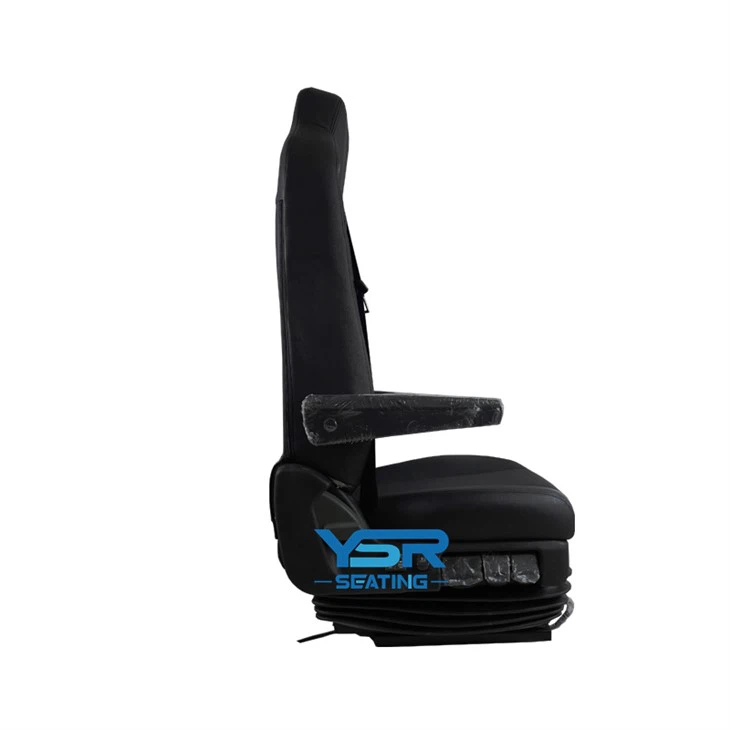
Getting the Right Parts and Support
Knowing when to handle a repair yourself and when to call for expert support is important. For straightforward issues - air line replacement, lubrication, tightening hardware - most operators can work independently with good documentation. For complex electrical faults, air valve replacement, or any repair that falls within the warranty window (typically 12 months on manufacturing defects), contact your supplier directly.
This is where choosing the right supplier matters beyond the initial purchase. Whether you're an independent owner-operator or a logistics company managing a large fleet, working with reliable China Luxury Air Suspension Seats suppliers who offer genuine parts, technical guidance, and responsive after-sales support makes a real difference in total cost of ownership. Before you purchase, it's worth requesting an Air Suspension Seats quotation that includes not just unit pricing but also parts availability, warranty terms, and support access - these details tell you a great deal about the supplier's long-term reliability.
For operators with specific requirements - unusual cab dimensions, specialized upholstery, or integrated electronic systems - Customized semi truck luxury air suspension seats are available from manufacturers who support OEM and ODM configurations. Custom builds require closer collaboration with the factory on maintenance documentation, so ensure your supplier provides model-specific service guidance when you place your order.
Conclusion
Maintaining your air suspension seat is not complicated, but it does require consistency. A quick daily visual check, weekly function testing, and a thorough monthly inspection of the air system and mechanical components will keep your seat performing the way it was designed to. When issues arise, most are straightforward to diagnose and repair with basic tools and genuine replacement parts.
The investment you've made in driver comfort pays dividends only when the seat is functioning correctly. Address small problems promptly, use compatible parts, and don't hesitate to reach out to factory support when you need guidance. Your seat is working hard every mile - give it the care it deserves.

For parts inquiries, technical support, or to request service documentation, contact YSR Seating Factory directly:
📞 +86-029-81136503
💬WhatsApp: +86-13991337062
Related Articles
What is a semi truck luxury air suspension seat?
What features make a semi truck seat "luxury"?
What are the benefits of an air suspension seat for semi trucks?
How do I choose the right luxury air suspension seat for my truck?
Can I install an air suspension seat myself?
Are luxury air suspension seats adjustable?
How do I maintain or repair an air suspension seat?
Is it worth upgrading to a luxury air suspension seat?
How does a semi-truck air suspension seat work?
Why do semi trucks use air suspension seats?