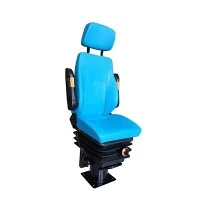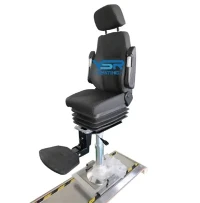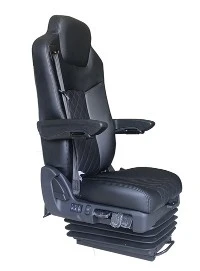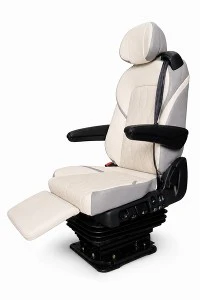


Marine seats are uncovered to saltwater, strongly daylight, and steady wear and tear, among other unforgiving conditions. Over time, these things can cause breaks, blurring, and indeed basic harm to the upholstery. The most regularly inquired questions with respect to marine seat repair are tended to in YSR's web blog.

Q: Why is it important to repair seats?
A: There are many reasons why repairing seats is important. During long journeys, seats that are worn out or damaged may result in injury or discomfort. Additionally, neglecting seat maintenance can result in further deterioration, necessitating more extensive and pricey replacements in the long run. You can maintain your vessel's aesthetic appeal and extend the life of your seats by promptly addressing issues.
Q: What are the common types damage?
A: Common sorts of seat harm incorporate breaking or part of the vinyl or leather upholstery, blurring or discoloration due to UV introduction, mold or shape development caused by dampness, and basic issues such as broken structural or loose pads.
Q: Can seats be repaired, or do they need to be replaced entirely?
A: In many cases, seats can be repaired effectively without the need for full replacement. Minor cracks, tears, or fading can often be addressed through professional repair services or DIY methods. However, replacement may be preferable if the damage is extensive or the seat's structural integrity is compromised.
Q: How long do seat repairs typically last?
A: Its longevity repairs depends on various factors, including the quality of the materials used, the expertise of the repair technician, and the ongoing maintenance and care of the seats. Professional repairs using high-quality materials can last several years, while DIY repairs may have a shorter lifespan.
Boat Seat Repair Guide
In this section, we'll provide a general guide for DIY boat seat repair.
Step 1: Assess the Damage
Start by thoroughly inspecting the seats to identify the type and extent of the damage. Take note of any cracks, tears, fading, or structural issues. This assessment will help you determine the appropriate repair method and materials needed.
Step 2: Gather Necessary Materials
Depending on the type of damage, you may need materials such as marine-grade vinyl or leather repair kits, adhesives, filler compounds, cleaning supplies, and tools like scissors, utility knives, and brushes.
Step 3: Prepare the Repair Area
Ensure the repair area is clean, dry, and well-ventilated. Remove any loose debris or dirt from the seats, and consider covering surrounding areas to prevent accidental spills or stains.
Step 4: Clean and Prep the Damaged Area
For successful repairs, proper surface preparation is crucial. Clean the damaged area thoroughly, removing any mold, mildew, or loose material. Lightly sand or roughen the surface to improve adhesion if necessary.
Step 5: Apply Repair Materials
Follow the manufacturer's instructions for applying repair materials, such as vinyl or leather repair kits, adhesives, or filler compounds. Work in small sections and allow for proper drying or curing times between applications.
Step 6: Finish and Protect
Once the repair is complete, consider applying a protective coating or sealant to help extend the lifespan of the repair and protect the seats from future damage.
It's important to note that boat seat repair can be challenging and may not yield professional-grade results. If you're unsure about your abilities or the extent of the damage, it's best to seek professional assistance.
Professional Marine seat Repair Services
While DIY repairs can be a cost-effective option for minor issues, more extensive or complex seat repairs often require the expertise of professional services. Professional Marine seat repair technicians have the knowledge, tools, and experience to handle a wide range of damages and deliver high-quality results.
Professional Marine seat repair services typically offer the following:
1. Inspection and Evaluation
Experienced technicians will thoroughly inspect the damaged seats and provide an assessment of the necessary repairs, as well as recommendations for the best course of action.
2. Upholstery Repair and Replacement
Professional services can handle repairs ranging from minor tears and cracks to complete upholstery replacement. They have access to high-quality marine-grade materials and use specialized techniques to ensure a seamless and durable repair.
3. Frame and Structural Repairs
In addition to upholstery repairs, professional services can address structural issues with the seat frames, such as welding, reinforcement, or replacement of damaged components.
4. Color Matching and Restoration
Fading or discoloration can be addressed through professional color-matching and restoration techniques, ensuring a consistent and like-new appearance across all seats.
5. Mold and Mildew Remediation
Professionals have access to specialized cleaning and remediation methods to effectively remove mold, mildew, and other contaminants from seats, ensuring a safe and hygienic environment.
6. Customization and Upgrades
In addition to repairs, professional services can often offer customization options, such as upgrading to higher-quality materials, adding embroidery or logos, or modifying the design to suit specific needs.
While professional Marine seat repair services may come at a higher cost, they provide peace of mind and ensure that the repairs are performed to the highest standards, extending the lifespan and maintaining the value of your Marine seating investment.
To learn more about YSR seats, please contact us at sales@ysrseats.com.
References:
1. "Marine Upholstery Repair and Maintenance" by Boat Upholstery Solutions (2022).
2. "DIY Boat Seat Repair: Tips and Tricks" by Boating Magazine (2021).
3. "Professional Marine seat Repair Services" by Yacht Interiors & Design (2023).
4. "Mold and Mildew Remediation in Marine Environments" by Mold Solutions (2020).
5. "Upholstery Materials for Marine Applications" by Society of Naval Architects and Marine Engineers (SNAME) (2019).
6. "Marine seat Frame Repair and Reinforcement" by Industrial Fabrics Association International (IFAI) (2022).