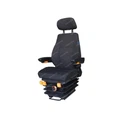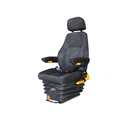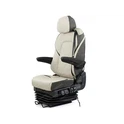


In the maritime business, where extended periods of time of activity and requesting conditions are the norm, the significance of ergonomic plan couldn't possibly be more significant. One basic part that assumes a vital part in the wellbeing, solace, and efficiency of marine pilots is the pilot seat. This blog will dive into the ergonomic plan standards behind a very much designed marine pilot seat, featuring its elements and advantages.

Conforms to Human Body Curves and Provides Excellent Comfort
Effective ergonomic design starts with a thorough understanding of human anatomy and biomechanics. A marine pilot seat is fastidiously created to adjust to the normal bends of the human body, guaranteeing ideal help and comfort during broadened times of purpose.
The seat's contoured shape and cushioning are carefully engineered to distribute weight evenly, reducing pressure points and minimizing the risk of discomfort or fatigue. By lining up with the regular curve of the spine, the seat advances legitimate stance, which is fundamental for keeping up with spinal wellbeing and forestalling outer muscle issues.
Besides, the utilization of superior grade, breathable materials in the seat's development considers legitimate air course, limiting the development of intensity and dampness, which can prompt uneasiness and potential medical problems.
Adjustable Backrest and Armrests for a Customized Fit
One size doesn't fit all with regards to ergonomic plan. To accommodate the varying body types and preferences of marine pilots, a well-designed seat incorporates adjustable features that allow for personalized comfort and support.
The backrest of the marine seat can be adjusted to various angles, enabling pilots to find the optimal position that aligns with their spinal curvature and provides the necessary lumbar support. This customizable feature helps reduce strain on the lower back and promotes proper spinal alignment, which is crucial for prolonged sitting periods.
Essentially, the armrests of the seat are intended to be flexible, permitting pilots to situate their arms in an agreeable and upheld way. This feature helps alleviate muscle strain and fatigue in the shoulders, neck, and upper back, which can result from extended periods of operation without proper arm support.

Shock Absorption and Cushioning Function to Relieve Fatigue and Back Pain
The marine environment is inherently dynamic, with vessels subject to constant motion and vibrations. To mitigate the impact of these external forces on the pilot's body, a well-designed marine seat incorporates advanced shock absorption and cushioning capabilities.
High-quality shock-absorbing materials, such as specialized foams or air-cushion systems, are strategically placed within the seat's construction. These materials act as a buffer, absorbing and dissipating the vibrations and shocks transmitted from the vessel's movements, effectively insulating the pilot's body from the potentially harmful effects of prolonged exposure to such forces.
The cushioning function not only provides a comfortable seating experience but also plays a crucial role in preventing the development of back pain, muscle fatigue, and other musculoskeletal issues that can arise from prolonged exposure to vibrations and shocks.
Additional Ergonomic Considerations
While the aforementioned features are essential, a truly exceptional marine pilot seat incorporates several other ergonomic design considerations to enhance overall comfort, safety, and productivity:
1. Breathable and moisture-wicking materials: To prevent discomfort and potential health issues associated with prolonged exposure to moisture and heat buildup.
2. Easy ingress and egress: Smooth and unobstructed access to the seat, minimizing the risk of strain or injury during entry and exit.
3. Adjustable height and swivel function: Allowing pilots to adapt the seat to their preferred viewing angle and reach, reducing neck strain and improving visibility.
4. Integrated safety features: Such as seat belts, anti-slip surfaces, and sturdy mounting systems, ensuring the pilot's security and stability during challenging conditions.
5. Customizable color and texture options: Enabling pilots to select a seat that aligns with their personal preferences and the vessel's interior design.
By incorporating these additional ergonomic considerations, the marine pilot seat not only enhances comfort and productivity but also contributes to a safer and more enjoyable working environment for pilots.
Conclusion
The ergonomic design of a marine pilot seat is a critical aspect that directly impacts the safety, comfort, and overall well-being of marine pilots. By conforming to the natural curves of the human body, providing adjustable features for customized fit, and incorporating advanced shock absorption and cushioning capabilities, a well-engineered marine seat offers numerous benefits.
From reducing the risk of musculoskeletal issues and fatigue to promoting proper posture and spinal alignment, the ergonomic design principles applied to marine seats play a crucial role in ensuring the long-term health and productivity of pilots. As the maritime industry continues to prioritize safety and workforce well-being, the demand for ergonomically designed seats will only increase, driving further innovation and refinement in this field.
To learn more about YSR seats, please contact us at sales@ysrseats.com.
References:
1. Bridger, R. S. (2018). Introduction to Ergonomics (4th ed.). CRC Press.
2. Chaffin, D. B., Andersson, G. B., & Martin, B. J. (2006). Occupational Biomechanics (4th ed.). Wiley-Interscience.
3. Helander, M. (2005). A Guide to Human Factors and Ergonomics (2nd ed.). CRC Press.