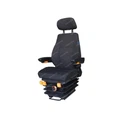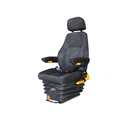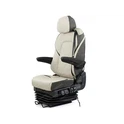


A pleasant and joyful voyage for travelers is largely dependent on a number of elements, including the comfort and ergonomics of motorhome passenger seats. These seats are designed to accommodate extended periods of seating, making adjustability, cushioning, and space optimization essential considerations.

Adjustable Features:
Motorhome passenger seats are equipped with multiple adjustable features to cater to individual preferences and body types, enhancing overall comfort and reducing fatigue during long trips. These adjustments allow for personalized seating positions, promoting proper posture and alleviating pressure points.
Lumbar Support: Preserving the lower back's natural curve requires a carefully thought-out lumbar support system. By lessening the strain on the lower back muscles, adjustable lumbar support helps avoid discomfort and potential injuries. This capability is particularly useful for individuals who sit for extensive stretches of time since it disperses weight uniformly and diminishes the opportunity of back strain.
Reclining Backrest: The ability to recline the backrest is a sought-after feature in motorhome passenger seats. It allows travelers to find a comfortable position for relaxation or even napping during long journeys. Adjustable recline angles help alleviate pressure on the spine and promote proper spinal alignment, reducing the risk of muscle strain and fatigue.
Cushioning and Upholstery:
The general solace and life span of front seats in RVs are significantly affected by the nature of the texture and cushioning. Manufacturers prioritize the use of high-quality materials to ensure lasting comfort and support throughout extended trips.
High-Density Foam: Premium motorhome seats often incorporate high-density foam cushions, which provide exceptional support and comfort. These foams are engineered to maintain their shape and resilience over time, preventing sagging or deformation that can lead to discomfort. Additionally, strategically placed contours and channels in the foam help distribute weight evenly and promote proper blood circulation.
Breathable Fabrics: Temperature regulation is an essential factor in maintaining comfort during long journeys. RV seats are frequently upholstered with breathable textures that wick away dampness and permit air to flow, keeping inhabitants cool and dry.These fabrics can range from high-quality leathers to advanced technical textiles, ensuring both comfort and durability.
Durable Materials: Given the demanding nature of motorhome travel, passenger seats must be constructed using durable and long-lasting materials. Manufacturers employ robust frames, high-quality foams, and resilient upholstery to withstand the rigors of extended use and varying weather conditions. This attention to durability ensures that the seats maintain their comfort and structural integrity over time.
Space Optimization:
Space is a precious commodity in motorhomes, and passenger seats are designed with space optimization in mind, ensuring a comfortable and functional living environment for travelers.
Compact Design: Motorhome passenger seats are engineered to maximize legroom and minimize intrusion into the living area. Compact designs and innovative space-saving solutions allow for ample legroom, even in smaller motorhomes. This attention to detail ensures that occupants can stretch out and move around comfortably without feeling confined.
Foldable or Removable Armrests: To further optimize space, many motorhome passenger seats feature foldable or removable armrests. This design element allows for greater flexibility in seating arrangements and enables easier access to and from the seats. Additionally, when not in use, the armrests can be folded or removed to create more open space within the motorhome.
Storage Compartments: Convenience is a key consideration in motorhome design, and passenger seats often incorporate built-in storage compartments. These compartments provide secure and easily accessible spaces for storing personal items, electronics, or even snacks and beverages. This thoughtful addition eliminates the need for additional clutter within the living area, contributing to a more organized and relaxing environment.
In conclusion, the comfort and ergonomics of motorhome passenger seats are paramount to ensuring an enjoyable and stress-free journey for travelers. With adjustable features that cater to individual preferences, high-quality cushioning and upholstery, and space-optimized designs, these seats offer a comfortable and supportive seating experience. By prioritizing ergonomics, manufacturers enable motorhome enthusiasts to explore the open road with confidence, comfort, and utmost relaxation.
To learn more about YSR seats, please contact us at sales@ysrseats.com.
References:
1. Shu, W., Shen, W., & Xu, C. (2021). Design and analysis of a new motorhome seat with improved comfort and ergonomics. Applied Ergonomics, 97, 103525.
2. Beeby, R., Jones, R., & Paul, G. (2018). Ergonomics for extreme environments: Optimizing the design of motorhome passenger seats. International Journal of Industrial Ergonomics, 67, 180-191.
3. Thalmann, S., & Bachmann, T. (2020). Innovative materials and design solutions for motorhome seating: A review. Materials & Design, 193, 108839.
4. Goonetilleke, R. S., & Lumbala, C. (2016). Designing ergonomic seating systems for motorhomes: A user-centered approach. Applied Ergonomics, 54, 236-245.
5. Hiemstra-van Mastrigt, S., Groenesteijn, L., Vink, P., & Kuijt-Evers, L. F. (2017). Predicting passenger seat comfort and discomfort on the basis of human body model biomechanics. Applied Ergonomics, 65, 207-213.