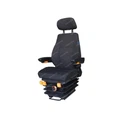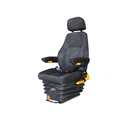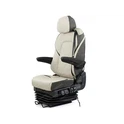


With regards to furnishing a boat with the ideal captain's seat, consideration regarding technical subtleties is central. The seat not just has to give comfort and backing to the captain, yet it should likewise satisfy thorough safety standards and endure the unforgiving marine climate. In this blog, we'll investigate the key specialized particulars that characterize the quality and execution of captain boat seats with armrests.

The Upper Adjustment Range: Enhancing Comfort and Ergonomics
The upper part of the marine seat is designed to be highly adjustable, allowing the captain to find the perfect position for optimal comfort and control. As per industry principles, the seat ought to have the option to move to and fro by a scope of 120 millimeters (mm). This extensive adjustment range ensures that the captain can find the ideal seating position, whether they prefer to sit closer to the controls or further back for a better view of the surroundings.
In addition to the fore-and-aft adjustment, the seat should also offer height adjustment capabilities. The standard range for this feature is typically 50 mm, enabling the captain to raise or lower the seat to their preferred eye level, enhancing visibility and reducing neck strain during prolonged periods at the helm.
Moreover, the seat ought to be outfitted with a slant change instrument, giving a scope of ±12 degrees. This feature allows the captain to fine-tune the seat's angle, promoting better weight distribution and reducing fatigue, especially during rough or choppy conditions.
Pneumatic Lifting: Effortless Adjustment for Optimal Positioning
Alongside the upper adjustment range, captain boat seats with armrests are often equipped with a pneumatic lifting system. This feature enables the captain to seamlessly adjust the height of the seat, providing a range of 0 to 150 mm.
The pneumatic lifting mechanism utilizes compressed air to raise and lower the seat, allowing the captain to easily find the ideal position for their stature and the specific demands of the boating environment. This effortless adjustment not only enhances comfort but also improves the captain's ability to reach and operate the boat's controls effectively.
The pneumatic system is designed to be highly durable and reliable, ensuring that the seat can maintain its positioning even during sudden movements or rough conditions on the water.
360-Degree Rotation with 4-Point Positioning Control
Another key technical specification of captain boat seats with armrests is the ability to rotate 360 degrees. This feature allows the captain to easily pivot and maintain a clear view of their surroundings, whether they need to monitor the boat's instruments, scan the horizon, or communicate with the crew.
To ensure the stability and security of the rotating seat, it is typically equipped with a 4-point positioning control system. This system locks the seat in place at specific intervals, allowing the captain to select and maintain the desired orientation with confidence.
The 4-point positioning control not only provides a secure and reliable locking mechanism but also enables the captain to quickly and easily rotate the seat to the optimal position, enhancing their overall situational awareness and control of the vessel.

Adjustable Seat Pedal: Customizing the Footrest for Comfort and Support
The seat pedal, or footrest, is an essential component of the captain boat seat with armrests. This feature allows the captain to rest their feet comfortably and maintain proper posture during extended periods at the helm.
The technical standard for the seat pedal includes the ability to rotate 90 degrees and retract. This range of motion provides the captain with the flexibility to adjust the pedal to their preferred position, ensuring that their legs and feet are properly supported and aligned.
Furthermore, the seat pedal should offer an adjustable upper and lower position, with a range of 0 to 50 mm. This adjustment capability enables the captain to fine-tune the height of the footrest, accommodating their individual leg length and ensuring that their weight is evenly distributed across the seat and pedal.
The combination of the rotational and height adjustment features of the seat pedal allows the captain to achieve a customized and ergonomic seating position, reducing the risk of fatigue and discomfort during prolonged boating excursions.
Torsional Strength and Safety Standards:
Lastly, the technical standard for captain boat seats with armrests places a strong emphasis on torsional strength and safety. The seat should be designed to withstand a minimum torsional load of 150 pounds (LB), ensuring that it can safely support the weight of the captain and any additional equipment or accessories they may have on board.
To meet these rigorous requirements, the seat is typically constructed using high-quality materials and engineering techniques. The seat frame, for example, may be fabricated from sturdy aluminum or stainless steel, providing the necessary strength and resistance to the harsh marine environment.
In terms of safety, the captain boat seat with armrests should be designed to meet or exceed the AD grade standard. This standard is a widely recognized benchmark for the performance and reliability of marine seating, ensuring that the seat can withstand the demands of the boating lifestyle while prioritizing the safety and well-being of the captain and crew.
By adhering to these technical specifications, manufacturers of captain boat seats with armrests can provide boat owners with a product that not only enhances the overall boating experience but also offers the peace of mind that comes with a durable, comfortable, and safe seating solution.
To learn more about YSR seats, please contact us at sales@ysrseats.com.
References:
1. American Boat and Yacht Council (ABYC). (2021). ABYC Standards and Technical Information Reports for Small Craft.
2. International Organization for Standardization (ISO). (2020). ISO 12215-5:2019 - Small craft - Hull construction and scantlings - Part 5: Design pressures for monohulls, design stresses, scantlings determination.
3. Boating Industry Association. (2018). Boat Seating Specifications and Guidelines.