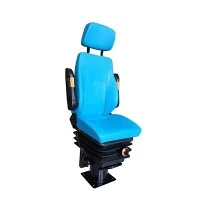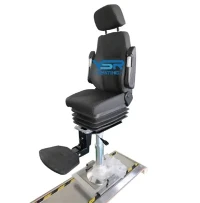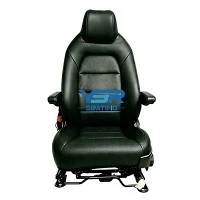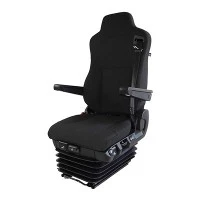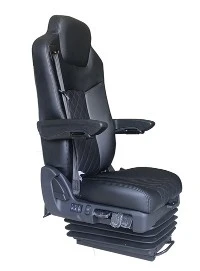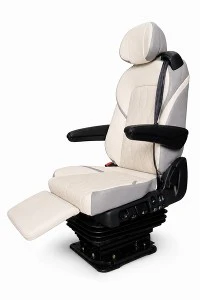


Simulated teaching tools like flight simulators, surgical simulators, and construction equipment replicas are transforming professional education. These hands-on systems provide hyper-realistic environments for trainees to gain technical and behavioral skills without real-world risks. However, many simulators still utilize basic seating that can limit training effectiveness. This article examines the feasibility and benefits of integrating ergonomic static swivel seats into simulation equipment for enhanced training experiences.
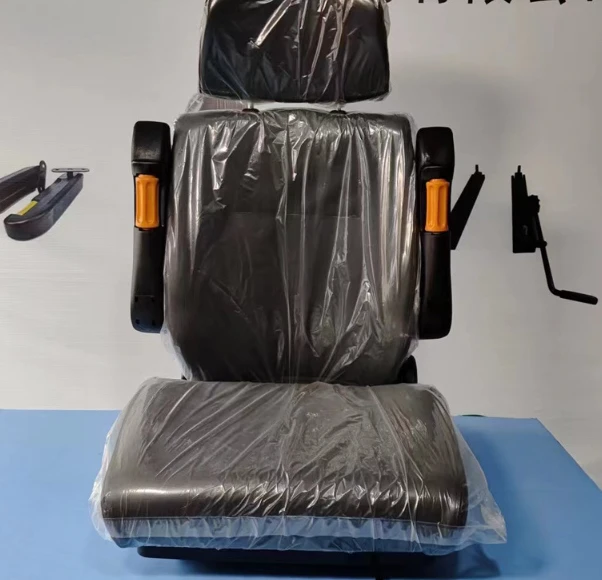
Mimicked educating hardware makes secure, exact amusements of genuine working scenarios over flying, pharmaceutical, development, and other areas. The immersive hone openings led to strides in competency and certainty sometime recently learners connected with genuine high-stakes hardware. Ponders appear recreation preparation can quicken expertise securing and lead to superior persistent results, fewer driving mischances, and more.
However conventional test system seats modeled after the real-vehicle seats can contribute to client distress and confine movement. As recreation devotion moves forward in other ranges, overhauling the swivel chair can optimize the preparation stage. It may give an ergonomic, adaptable seating arrangement for future simulators.
Advantages of Static Swivel Seats in Simulated Teaching Equipment
①Improved Understudy Engagement and Comfort
The adjustability and padding of a progressed inactive situate can essentially increment understudy consolation amid delayed reenactment works out. Inquiring about inconvenience leads to withdrawal, whereas ergonomic seating supports center and inspiration. Swivel portability too empowers clients to reasonably look over boards and see. This boosts the feeling of nearness within the virtual environment. The result is higher understudy engagement and less fatigue.
②Moved forward Perceivability and Communication
Unhampered locate lines are key for legitimate test system preparation, as clients must outwardly procure all pertinent markers and boosts. Standard test system chairs can make dazzle spots that cloud shows and controls. In differentiation, the turning situated skillet on an inactive swivel chair gives a 370-degree field of vision without neck strain. Teaches too advantage of the capacity to swivel and straightforwardly confront understudies. This encourages superior verbal communication and moment feedback.
③Diminished Physical Strain on Educates
Teachers regularly got to crane over fumblingly in fixed-chair test systems. Twisting to point out show points of interest for hours leads to back, bear, and neck torment. The adjustability and turn of an ergonomic swivel situate permits educators to powerfully position themselves with less strain and hazard of total wounds. This makes a difference in them giving compelling oversight and direction amid test system sessions.
Considerations for Using Seats
Whereas these seats in test systems offer numerous preferences, engineers must assess certain factors:
① Ergonomic Plan and Adjustability
Swivel chairs outlined particularly for amplified sitting and adjustability give ideal consolation and adaptability. Key highlights like movable lumbar bolster, armrests, tallness, and tilt permit personalization for clients of diverse sizes.
② Soundness and Security Concerns
Movement solidness is fundamental for secure test system preparation, so chairs must bolt into secure positions. Swivel extension may require limitations to dodge collisions. Deliberately set snatch handles offer extra stability.
③Integration with Existing Equipment
For consistent establishment, chairs must coordinated legitimately with the test system cab space, measurements, and development capabilities. Control and information associations empower chair alterations from control touchscreens.
Case Studies and Best Practices
Organizations that have effectively joined swivel seating into test system hardware can give models for execution.
Flight Preparing Foundation guided static swivel seats in their flight test systems. These chairs boosted teachers portability and permitted pilots-in-training to hone checklists and cockpit looks more practically. After this victory, the Institute is outfitting all future test system stations with fixed-pedestal swivel chairs.
Preparing input shows the chairs offer assistance administrators hone appropriate body situating and control operations. Furthermore, the turn anticipates simulator-induced movement sickness.
These cases appear that coordinating test system seating to real-world ergonomics and movement has concrete benefits for learners. Counseling conclusion clients to recognize needs, considering security variables, and model testing are best hones for integration.
In Conclusion
Examination uncovers unmistakable preferences to updating settled test system seating to ergonomic static swivel seats. Their adjustability empowers personalized consolation for delayed works out whereas turn permits liquid movements and perceivability. This drives higher understudy engagement, information exchange and preparing productivity. Deliberate plan and testing is still required to optimize stability and fit. But the promise of greater simulator realism and capabilities makes swivel seats a worthwhile investment for long-standing time simulated learning across many fields.
Please contact us at sales@ysrseats.com to learn more about why this is the best swivel seats for simulated teaching equipment .
References
• Davis, F. D., Bagozzi, R. P., & Warshaw, P. R. (1989). User acceptance of computer technology: a comparison of two. Management science, 35(8), 982-1003.
• Degani, A., & Wiener, E. L. (1990). Human factors of flight-deck checklists: the normal checklist (NASA Contractor Report 177549). Moffett Field, CA: NASA Ames Research Center.
• Dieckmann, P., Gaba, D., & Rall, M. (2007). Deepening the theoretical foundations of patient simulation as social practice. Simulation in Healthcare, 2(3), 183-193.
• Goodwin, C. (1997). The blackness of black: Color categories as situated practice. In Discourse, tools and reasoning (pp. 111-140). Springer, Berlin, Heidelberg.