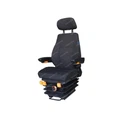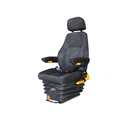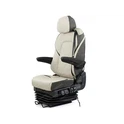


As a bus or coach driver, you spend countless hours on the road, navigating through various terrains and road conditions. The steady vibrations and shocks can negatively affect your body, prompting weakness, distress, and, even long-haul medical problems. However, advancements in seat technology, such as the air damping system, have revolutionized the way drivers experience their rides. YSR's blog explores how the air damping system transforms air suspension bus coach driver seat, providing unparalleled comfort and ergonomic support.

Vibration and Shock Absorption:
Vibrations and shocks are inherent in the driving experience, particularly for bus and coach operators who navigate through various road surfaces, from smooth highways to rough terrains. These vibrations can cause uneasiness, exhaustion, and long-haul medical conditions, like back torment and outer muscle problems.
Traditional suspension systems often struggle to effectively absorb and dissipate these vibrations, resulting in a jarring ride experience. However, the air damping system, which is integrated into the air suspension bus coach driver seat, utilizes advanced technology to mitigate the effects of vibrations and shocks.
The air damping system works by utilizing a series of air chambers and damping mechanisms within the seat. As the driver's seat encounters vibrations from the road, these air chambers compress and expand, effectively absorbing and dispersing the energy. This process helps to isolate the driver from the harsh vibrations, providing a smoother and more comfortable ride experience.
Additionally, the air damping system can be adjusted to accommodate different driver weights and preferences, ensuring optimal vibration absorption and comfort levels. This customization feature is particularly beneficial for bus and coach operators who may have varying body types and driving styles.
Ergonomic optimization:
Driver fatigue is a significant concern in the transportation industry, as it can lead to reduced alertness, slower reaction times, and increased risk of accidents. One of the essential supporters of driver weariness is poor ergonomics, which can cause uneasiness, strain, and muscle pressure at overstretched times of driving.
The air damping system works in tandem with ergonomic seat design principles to create a comfortable and supportive environment for drivers. By effectively absorbing and dissipating vibrations and shocks, the air damping system reduces the physical stress and strain on the driver's body, minimizing muscle tension and fatigue.
Additionally, many air suspension bus coach driver seats with air damping systems incorporate other ergonomic features, such as adjustable lumbar support, adjustable seat cushions, and customizable seating positions. These features allow drivers to tailor the seat to their specific body type and preferences, promoting proper posture and spinal alignment.
By reducing physical strain and promoting proper body positioning, the air damping system and ergonomic seat design work together to improve overall driver comfort and well-being. This, in turn, can lead to increased alertness, better reaction times, and enhanced overall safety on the road.
Ride quality improvement:
The quality of a driver's ride experience is a crucial factor in the transportation industry, as it directly impacts comfort, safety, and overall job satisfaction. Traditionally, bus and coach drivers have had to endure a significant amount of shock and vibration, which can lead to discomfort, fatigue, and even potential safety hazards.
However, the integration of the air damping system into air suspension bus coach driver seat has revolutionized the ride quality experience for drivers. By effectively absorbing and dissipating vibrations and shocks, the air damping system provides a smoother and more comfortable ride, reducing the physical strain and discomfort associated with extended periods of driving.
This improvement in ride quality has several benefits:
1. Increased comfort: By minimizing the impact of vibrations and shocks, the air damping system enhances overall comfort for the driver, allowing them to focus on the road ahead without being distracted by jarring movements or discomfort.
2. Reduced fatigue: The smoother ride provided by the air damping system reduces physical strain and muscle tension, leading to lower levels of fatigue. This can help drivers maintain alertness and concentration for longer periods, improving overall safety and performance.
3. Improved handling and control: When drivers are not constantly subjected to jarring shocks and vibrations, they can maintain better control over the vehicle, enhancing handling and responsiveness. This improved control can lead to a more enjoyable and safer driving experience.
4. Prolonged vehicle lifespan: By reducing the impact of vibrations and shocks on the vehicle's suspension and other components, the air damping system can help extend the lifespan of the bus or coach, potentially reducing maintenance costs and downtime.
The biggest highlight of this seat is its advanced air damping system, providing drivers with a smoother, more comfortable, and safer driving experience. By minimizing the effects of vibrations and shocks, this technology not only enhances driver well-being but also improves vehicle performance and longevity.

Please contact us at sales@ysrseats.com to learn more about YSR seats.
References:
1. "The Impact of Seat Design on Truck Driver Comfort and Health" - National Surface Transportation Safety Center for Excellence (NSTSCE)
2. "Ergonomics and Design: A Reference Guide" by Viviance Pang, Mark R. Greedman, and Glenn B.J. Andersson (Allsteel Inc., 2007)
3. "Improving Ride Quality and Reducing Driver Fatigue in Buses and Coaches" - International Journal of Vehicle Design
4. "Seat Suspension Systems: Improving Comfort and Safety for Truck Drivers" - Society of Automotive Engineers (SAE) International